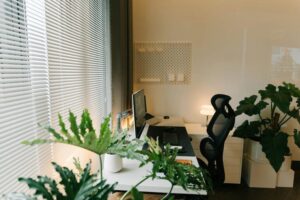









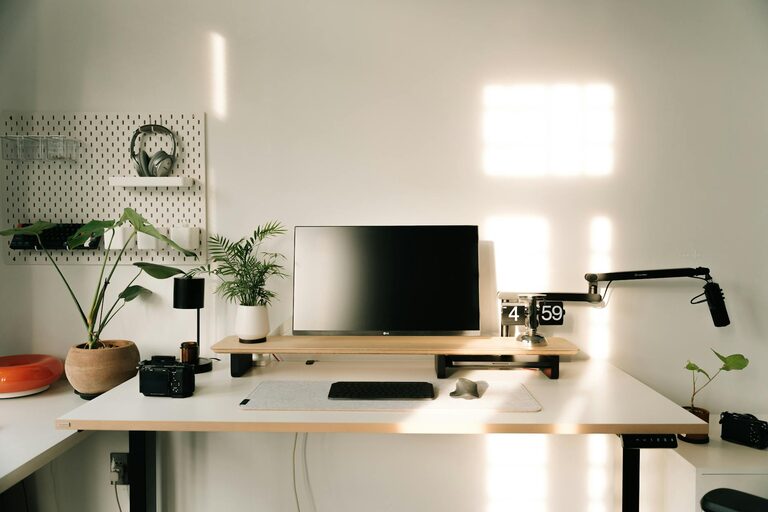
Creating a home workspace that is both minimalist and functional can significantly enhance your productivity and overall well-being. A clutter-free environment reduces distractions and helps you focus on the task at hand. Whether you work from home full-time or occasionally need a dedicated space, these tips will help you craft a clean, simple, and efficient workspace tailored to your needs.
Why Choose a Minimalist Workspace?
Minimalism in a workspace means having only what you need and nothing you don’t. It’s about simplicity, organisation, and thoughtful design. When your workspace is free from unnecessary clutter, your mind can focus better, reducing stress and improving mental clarity.
A functional workspace prioritises ease of use. It allows you to work comfortably and efficiently without wasting time searching for tools or supplies. Combining minimalism with functionality ensures your workspace is not only visually pleasing but also practical.
Choosing the Right Space
Pick a Quiet, Well-Lit Area
Choose a location away from distractions such as television noise or household activity. Natural light is ideal — position your desk near a window if possible. Good lighting improves mood and reduces eye strain, which is vital for long working hours.
Consider Space Size and Layout
Your workspace doesn’t need to be large. Even a small corner with a desk and chair can serve well if organised correctly. Think about how you move and what you need within arm’s reach, so everything feels comfortably accessible.
Essential Furniture and Equipment
Opt for a Simple Desk
Select a desk with a clean design and enough surface area for your computer, notepad, and maybe a few personal items. Desks with built-in storage such as drawers or shelves can help keep clutter out of sight.
Invest in an Ergonomic Chair
Comfort is crucial when working for hours. An ergonomic chair supports your back and encourages good posture, reducing fatigue and discomfort.
Keep Technology Minimal and Efficient
Use only the essential devices. A laptop or desktop computer, a reliable keyboard, and a mouse usually suffice. Wireless devices reduce cable clutter, enhancing the minimalist look.
Organising Your Workspace
Declutter Regularly
Clear out items that you don’t use daily. Papers, stationery, and gadgets that pile up can distract and reduce your workspace’s appeal.
Use Storage Solutions Wisely
Employ baskets, trays, or drawer organisers to keep small items orderly. Vertical storage like shelves can help keep important books and materials tidy without taking up desk space.
Limit Decor to Meaningful Pieces
Minimalism doesn’t mean no personality. Choose a few decorations that inspire you or add warmth, such as a small plant, a framed photo, or a piece of artwork. Avoid overcrowding surfaces with too many items.
Maximising Productivity in a Minimalist Space
Personalise Your System
Use calendars, notebooks, or digital apps based on what works best for you. Keep these tools within easy reach.
Establish Clear Boundaries
If your workspace is within a shared room, define your work hours and communicate this to others. This helps keep the area dedicated to work and avoids blending it with relaxation or household tasks.
Keep Essentials Handy
Have your most-used items—like pens, chargers, and headphones—in a consistent spot to avoid wasting time searching.
Maintenance for Long-Term Success
Develop a Daily Tidying Routine
Spend five minutes at the end of each day organising your desk. This prevents buildup of clutter and keeps your environment inviting.
Refresh Your Setup Occasionally
Every few months, reassess your workspace. As your work habits or needs change, adjust your layout or tools accordingly to maintain both minimalism and functionality.
Final Thoughts
Designing a minimalist and functional home workspace is about balance. Aim for clean lines and a clutter-free space but ensure it is customised to your workflow and comfort. With intentional choices and regular upkeep, your workspace can become a sanctuary for productivity and creativity right at home.