




Creating a home office that combines comfort and productivity can make a significant difference to your work-from-home experience. Whether you’re working full-time from home or just occasionally, a thoughtfully designed workspace helps you stay motivated, focused, and healthy. Here are some practical tips to help you set up a home office that supports your best work.
Choose the Right Location
Consider Natural Light and Noise Levels
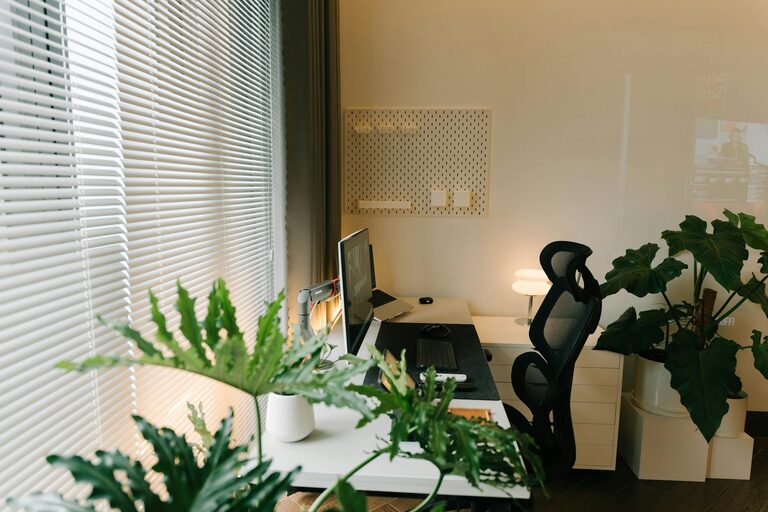
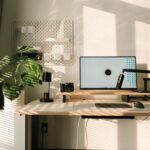
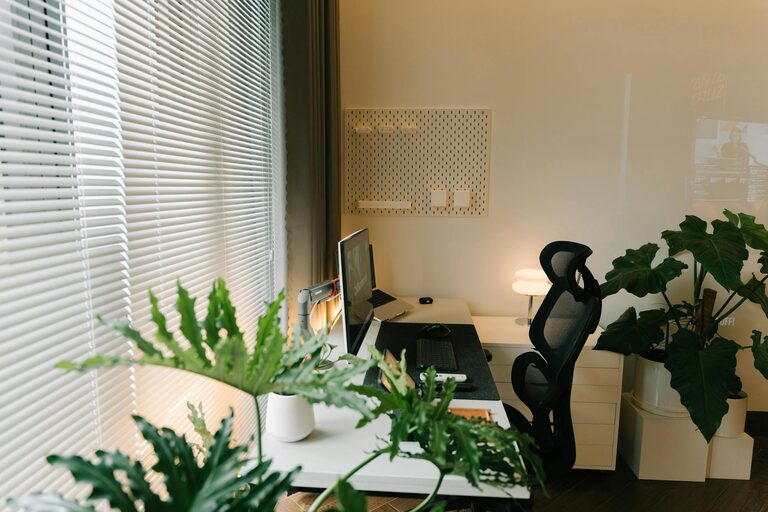
Selecting the best spot in your home for your office is the first step. Ideally, choose a quiet area away from distractions such as household traffic or noisy appliances. Natural light is beneficial because it can improve your mood and reduce eye strain. Position your desk near a window if possible, but avoid glare directly on your computer screen.
Space and Privacy
Make sure the space is big enough to fit your desk, chair, and any equipment you need comfortably. Privacy matters too — if you live with others, a room with a door can help reduce interruptions and create a clear boundary between work and personal life.
Invest in Ergonomic Furniture
Chair and Desk
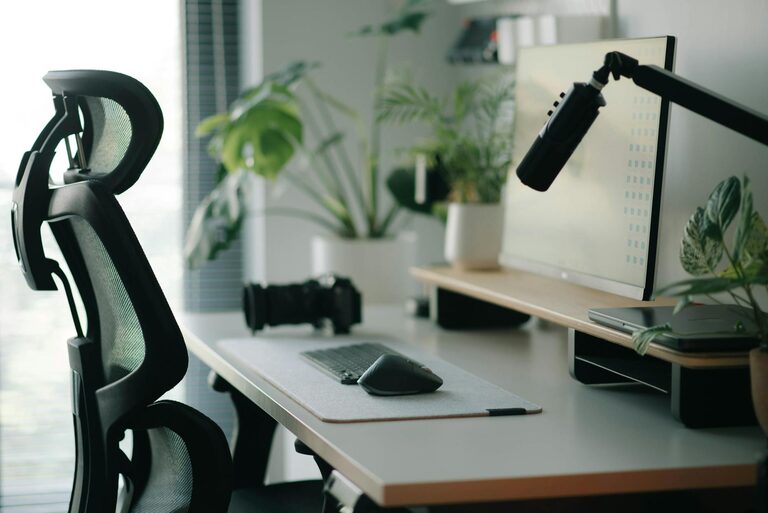
Your chair and desk are the foundation of a comfortable workspace. Choose an adjustable chair that supports your lower back and allows your feet to rest flat on the floor. The desk should be at a height that keeps your arms at a 90-degree angle when typing.
Equipment Setup
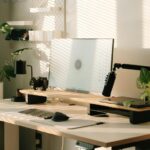
Keep your computer monitor at eye level to avoid neck strain, using a stand if needed. Use a keyboard and mouse that feel comfortable for long periods. Consider accessories like a footrest or wrist supports if you experience discomfort.
Organise Your Workspace Efficiently
Declutter Regularly
A tidy workspace reduces stress and helps you focus. Keep only the essentials on your desk, such as your computer, notepad, and a pen. Use cable organisers to manage wires and keep the area neat.
Storage Solutions
Incorporate shelves, drawers, or filing cabinets to store documents and supplies. Labelling boxes or folders can also make finding items quick and easy, improving your workflow.
Personalise Your Office
Add Comfort and Inspiration
Personal touches can make your office an enjoyable place to work. Add plants to improve air quality and create a calming atmosphere. Hang artwork or photos that inspire you, but avoid cluttering walls with too many items.
Colour and Lighting
Choose colours that help concentration, such as blues and greens, or energising shades like yellow. Use adjustable lighting to complement natural light. A desk lamp with warm light can reduce eye strain in the evening.
Establish a Routine and Boundaries
Separate Work and Rest
When you work from home, it’s important to define when your workday begins and ends. Creating rituals — such as setting up your desk each morning and shutting down your computer at a specific time — can help maintain work-life balance.
Limit Distractions
Use headphones to block noise and signal to others you are busy. Turn off notifications on your phone or use “do not disturb” modes during focused periods. Setting clear boundaries with family or housemates helps minimise interruptions.
Use Technology Wisely
Reliable Internet Connection
Ensure your internet connection is stable and fast enough for video calls and online work. Consider a wired connection if Wi-Fi is inconsistent.
Tools and Apps
Make use of productivity tools such as calendars, task managers, and focus apps. Organising your digital workspace complements your physical setup and keeps you on track.
Prioritise Health and Wellbeing
Take Regular Breaks
Avoid sitting for long periods by taking short breaks every hour. Stand up, stretch, or walk around to reduce stiffness and eye fatigue. Use the 20-20-20 rule: every 20 minutes, look at something 20 feet away for 20 seconds.
Stay Hydrated and Comfortable
Keep a bottle of water within reach to stay hydrated throughout the day. Adjust the room temperature to a level that is comfortable, as being too hot or cold can affect concentration.
—
Creating a home office that suits your needs and lifestyle is a process. Start with these tips and continue to make adjustments as you discover what works best for you. A comfortable, organised, and personalised workspace can transform the way you work, helping you stay productive and happy at home.