




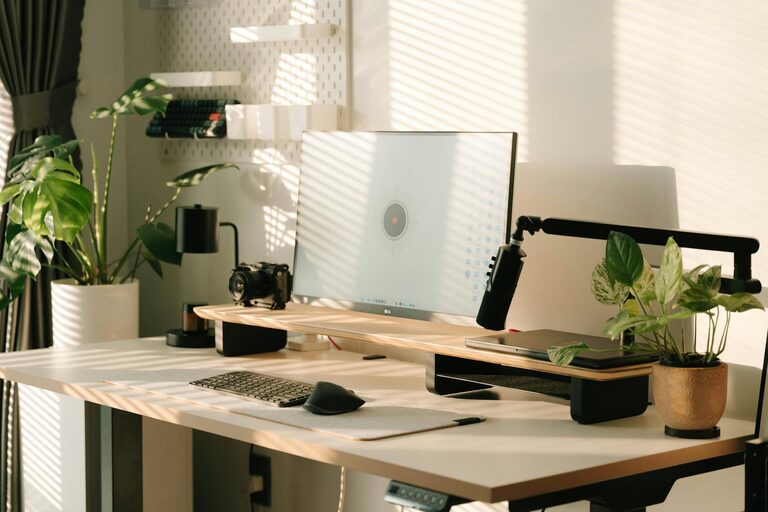
Creating a home workspace that is both relaxing and productive can significantly improve your work-from-home experience. A well-designed area encourages focus, reduces stress, and helps maintain a healthy work-life balance. Whether you have a dedicated room or just a small corner, these tips will guide you in crafting a comfortable and efficient space.
Why a Relaxing Workspace Matters
Working from home offers flexibility but can also present distractions and stress. By creating a calm environment, you set the stage for better concentration and sustained energy throughout the day. A relaxing workspace promotes mental clarity, decreases fatigue, and can help you feel more motivated.
Choosing the Right Location
Find a Quiet Spot
Select a space with minimal noise and interruptions. If possible, choose a room or corner away from busy household areas such as the kitchen or living room. Natural barriers like closets or rooms with doors can help create a peaceful zone.
Maximise Natural Light
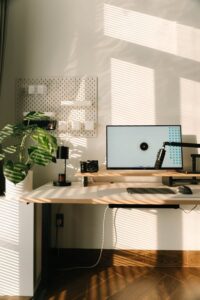
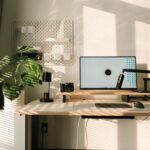
Natural light improves mood and alertness. Position your desk near a window to benefit from daylight. If the space lacks windows, invest in high-quality, adjustable lighting that mimics natural light to reduce eye strain.
Ergonomics and Comfort
Invest in a Good Chair and Desk
Comfort is key when spending long hours at your desk. Choose an ergonomic chair that supports your back and encourages good posture. Your desk should be at a height where your arms rest comfortably, typically around elbow level.
Position Your Screen Correctly
Place your computer screen at eye level and about an arm’s length away. This setup reduces neck strain and allows for a more comfortable viewing angle.
Use Accessories to Support Your Posture
Consider items like a footrest, wrist supports, or an adjustable laptop stand. These tools help maintain good posture and prevent discomfort.
Declutter and Organise
Keep Only What You Need
A cluttered desk can lead to a cluttered mind. Remove unnecessary items and keep your workspace tidy. Use drawers, shelves, or organisers to store supplies.
Implement a Filing System
Keep documents organised with files or digital folders. This reduces time wasted searching for papers and keeps your space streamlined.
Use Cable Management Solutions
Unruly cables can be distracting and hazardous. Use clips, ties, or cable boxes to keep cords neat and out of the way.
Add Personal Touches for Relaxation
Incorporate Plants
Plants improve air quality and add a touch of nature, which can soothe and refresh the mind. Choose low-maintenance options like succulents or spider plants.
Use Calming Colours
Soft, neutral colours like pale blues, greens, or greys create a serene atmosphere. You can paint walls or add artwork and accessories in these tones.
Include Soothing Scents
A lightly scented candle or essential oil diffuser can create a pleasant environment. Opt for relaxing fragrances such as lavender, chamomile, or eucalyptus.
Manage Noise and Distractions
Use Noise-Cancelling Headphones
If sounds from around the house or outside are disruptive, invest in noise-cancelling headphones. They help you remain focused by drowning out background noise.
Play Background Music or Nature Sounds
Soft music or ambient sounds like rain or waves can enhance concentration and make your workspace feel more inviting.
Establish Boundaries and Routine
Set Clear Work Hours
Define your working hours to avoid overworking and maintain balance. Inform family members or housemates about your schedule to reduce interruptions.
Take Regular Breaks
Breaks improve productivity and prevent burnout. Use techniques like the Pomodoro method, working in focused bursts followed by short rests.
Create a Start and End Ritual
A consistent routine signals the beginning and end of your workday. This could be as simple as tidying your desk at the end of the day or brewing a cup of tea before you start.
Utilise Technology Wisely
Optimise Your Internet Connection
A reliable, fast internet connection is essential for uninterrupted work. Consider upgrading your broadband or using a wired connection if possible.
Use Productivity Apps
Apps for task management, calendar organisation, and focus timers can keep you on track and reduce stress.
Keep Software and Hardware Updated
Regular updates improve security and performance, helping your workspace run smoothly.
Final Thoughts
Creating a relaxing home workspace is about combining comfort, organisation, and personal preferences to enhance productivity. By focusing on ergonomics, decluttering, natural elements, and establishing good routines, you can make your home office a place where work feels less like a chore and more like an enjoyable part of your day. Take the time to tailor your space to your needs, and you’ll likely notice improvements in mood and efficiency.