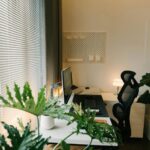

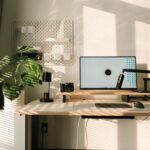
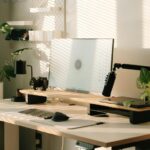



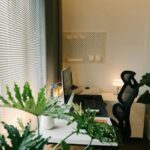
Creating a productive home office environment is essential for anyone working remotely or running a home-based business. A well-designed workspace can increase focus, reduce stress, and enhance your overall work performance. Whether you have a dedicated room or a small corner, there are many ways to create an environment that promotes productivity. This guide shares practical tips to help you set up your ideal home office.
Why a Good Home Office Matters
Working from home offers flexibility, but it also comes with distractions and challenges. Without a proper workspace, you might find it hard to separate work and personal life, leading to decreased productivity or burnout. A dedicated and well-organised home office signals to your brain that it’s time to work, helping you stay on track and motivated.
Choosing the Right Location
Prioritise Natural Light
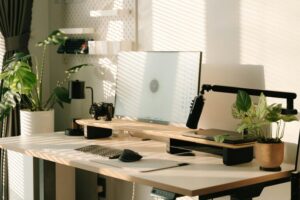
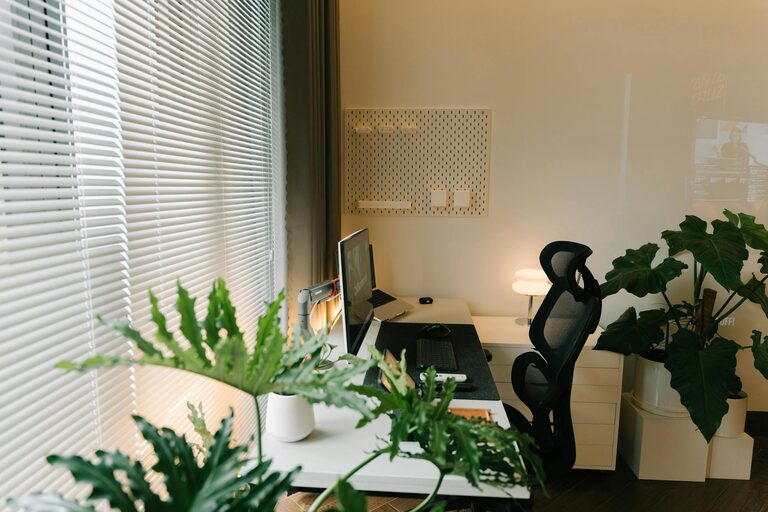
Natural light is one of the best elements to include in your home office. Locate your desk near a window if possible. Exposure to daylight improves mood, energy levels, and alertness. Avoid glare on your screen by positioning your desk perpendicular to the window instead of directly facing it.
Minimise Noise Distractions
Try to find a space that is quiet and away from noisy areas like the kitchen or busy living room. If you can’t avoid noise, consider noise-cancelling headphones or soundproofing measures like rugs and curtains.
Consider Privacy and Space Needs
If you have regular video calls or need concentration, opt for a room or nook where you won’t be interrupted. Make sure there’s enough space for your equipment and any storage you need, allowing your workspace to stay clutter-free.
Furnishing Your Home Office
Invest in an Ergonomic Chair
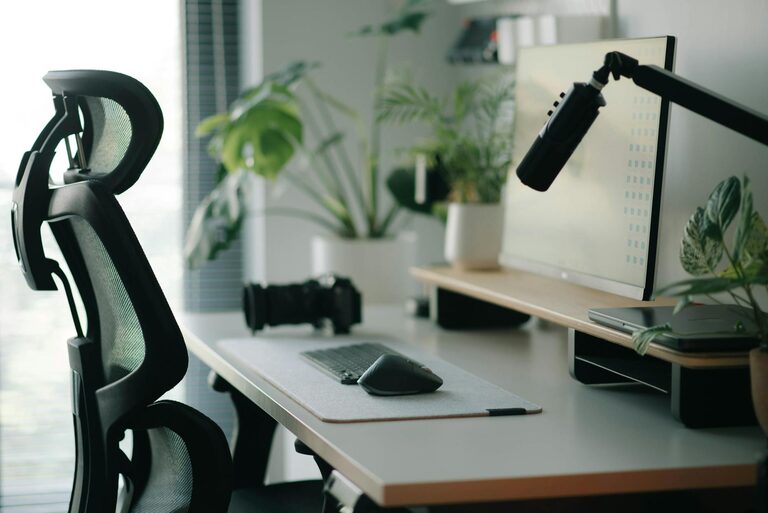
Sitting comfortably is crucial for long working hours. Choose a chair that supports your lower back, allows you to sit with your feet flat on the floor, and is adjustable for height and tilt.
Select a Suitable Desk
Your desk should be large enough to accommodate your computer, keyboard, documents, and any other tools. Consider a sit-stand desk to vary your posture throughout the day, which can improve comfort and productivity.
Organise with Shelves and Drawers
Adding shelves and storage drawers helps keep your desk clear and your supplies organised. Use boxes, trays, or files to store papers and stationery neatly.
Optimising Lighting and Technology
Use Layered Lighting
In addition to natural light, add task lighting such as a desk lamp with adjustable brightness. Overhead lights should provide even illumination without harsh shadows.
Optimise Your Internet Connection
A reliable and fast internet connection is vital for online meetings, research, and smooth workflow. Test your connection speed and consider upgrading if necessary.
Equip Your Workspace with Essential Tech
Ensure you have the right accessories like a good quality keyboard, mouse, webcam, and microphone. These can make daily tasks easier and video calls professional.
Creating a Productive Atmosphere
Personalise Your Space Without Clutter
Add personal touches like plants, artwork, or photos to make your home office inviting. However, avoid over-decorating, which might distract or crowd your space.
Maintain Good Air Quality and Temperature
Fresh air helps keep you alert, so open a window when you can or use an air purifier. Set your heating or cooling to a comfortable temperature to avoid discomfort.
Establish Clear Boundaries
Set specific work hours and communicate these to household members, so you aren’t disturbed. Use signals, such as closing the door or wearing headphones, to indicate when you should not be interrupted.
Staying Organised and Motivated
Plan Your Day with To-Do Lists
Keeping a daily list helps you stay focused and track your progress. Break larger tasks into manageable steps to avoid feeling overwhelmed.
Take Regular Breaks
Use techniques like the Pomodoro method—25 minutes of focused work followed by a 5-minute break. Stand up, stretch, or walk around to refresh your body and mind.
Minimise Digital Distractions
Turn off non-essential notifications on your phone and computer. Consider apps or browser extensions that block distracting websites during work hours.
Keep Your Workspace Clean
End your day by tidying your desk. A clean environment can reduce stress and make it easier to start the next day with focus.
Final Thoughts
Creating a productive home office environment is about balancing comfort, function, and inspiration. By carefully selecting your space, investing in ergonomic furniture, optimising lighting and technology, and practising good organisation, you can build a workspace that supports your best work every day. Remember, your home office should work for you—adjust and personalise it as needed to keep productivity high and stress low.