









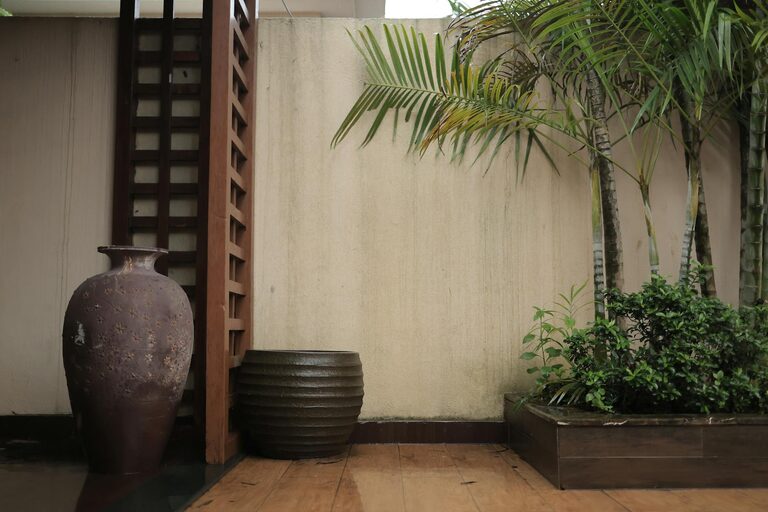
Creating a relaxing garden space at home is a wonderful way to promote calmness and reconnect with nature. Whether you have a small balcony or a large backyard, a tranquil garden retreat can serve as a perfect spot for meditation, reading, or simply enjoying peaceful moments. This guide offers practical tips to help you design and maintain a garden space that soothes the senses and supports your wellbeing.
Choose a Quiet Location
The first step in creating a relaxing garden is selecting an area that is relatively secluded and sheltered from noise and distractions. If possible, pick a spot away from busy roads, neighbours’ windows, or loud outdoor equipment. A corner of your garden, a raised bed area, or a screened-off patio can work well.
Consider the direction of sunlight and shade throughout the day. Many people find that a mix of sun and shade makes for the most comfortable environment. Having natural shade from trees or a pergola can add privacy and protection from harsh midday sun.
Incorporate Comfortable Seating
No relaxing garden is complete without inviting seating where you can settle down and enjoy your surroundings.
– Types of seating: Choose chairs, benches, hammocks, or cushions suited to your garden’s style. Wooden benches and natural wicker chairs add warmth, while metal or stone pieces may provide a more modern aesthetic.
– Comfort matters: Add soft cushions, throw blankets, or outdoor rugs to create a cosy feel.
– Placement: Position seats to enjoy views of flowerbeds, water features or simply to face the sun or shade based on your preference.
Add Calming Water Features
Water is well known for its calming effects. The gentle sound of flowing water can mask urban noise and create a peaceful ambiance.
– Options to consider: small fountains, birdbaths, or simple water bowls with floating candles or flowers.
– Size and maintenance: Choose a water feature that fits your space and consider the upkeep required. Solar-powered pumps are eco-friendly and easy to maintain.
Choose Soothing Colours and Plants
The colours and types of plants you include influence the mood of your garden space. Aim for a combination of greenery with pops of subtle, soft colours rather than bright, overwhelming hues.
– Plant selection: Lavender, chamomile, jasmine and rosemary are great for relaxation due to their calming scents.
– Evergreens: Incorporate evergreens for year-round structure and privacy.
– Seasonal interest: Select a mix of plants that bloom at different times to keep your garden visually appealing throughout the year.
Create Pathways and Zones
Defining paths and separate garden zones can increase the sense of order and exploration. A winding gravel or stone path invites slow, mindful walks, while small, distinct areas can house seating, plants, or decorative elements.
– Materials: Natural stone, bark chips, or pebbles work well as pathway materials.
– Zones: Consider a meditation nook, a reading corner, or a small herb garden to add variety and purpose.
Use Soft Lighting for Evening Ambiance
Extending your garden’s usability into the evening adds opportunities for relaxation after sunset.
– Lighting ideas: Use fairy lights, lanterns, solar garden lights, or candles to create a soft, warm glow.
– Safe placement: Ensure lighting fixtures are weatherproof and positioned to avoid glare or tripping hazards.
Minimise Noise with Plants and Screens
If noise is a concern, plants and screens can act as natural sound buffers.
– Hedging and shrubs: Dense hedges or tall shrubs reduce noise and enhance privacy.
– Screens: Bamboo panels or trellises with climbing plants like clematis or honeysuckle create attractive barriers.
Incorporate Personal Touches and Natural Elements
Your garden should feel like a personal sanctuary. Adding elements with special meaning or natural textures helps connect you with the space.
– Decor: Consider wind chimes, sculptures, or handmade garden ornaments.
– Natural materials: Use wooden furniture, stone pots, and baskets made from natural fibres to enhance the organic feel.
Maintain Your Garden Regularly
A relaxing garden requires some upkeep to keep it tidy and inviting.
– Regular watering and pruning: Keep plants healthy to avoid a neglected appearance.
– Clearing debris: Remove fallen leaves and dead flowers regularly.
– Seasonal tasks: Mulch in spring, protect plants in winter, and replant as needed to maintain interest.
Final Thoughts
Creating a relaxing garden space at home is a rewarding way to bring calm and joy into your daily life. Start small, invest in comfortable features, and choose plants that delight your senses. Over time, your garden can become a cherished retreat where you recharge and appreciate the simple beauty of the outdoors. With these tips, you are well on your way to designing a peaceful haven tailored just for you.